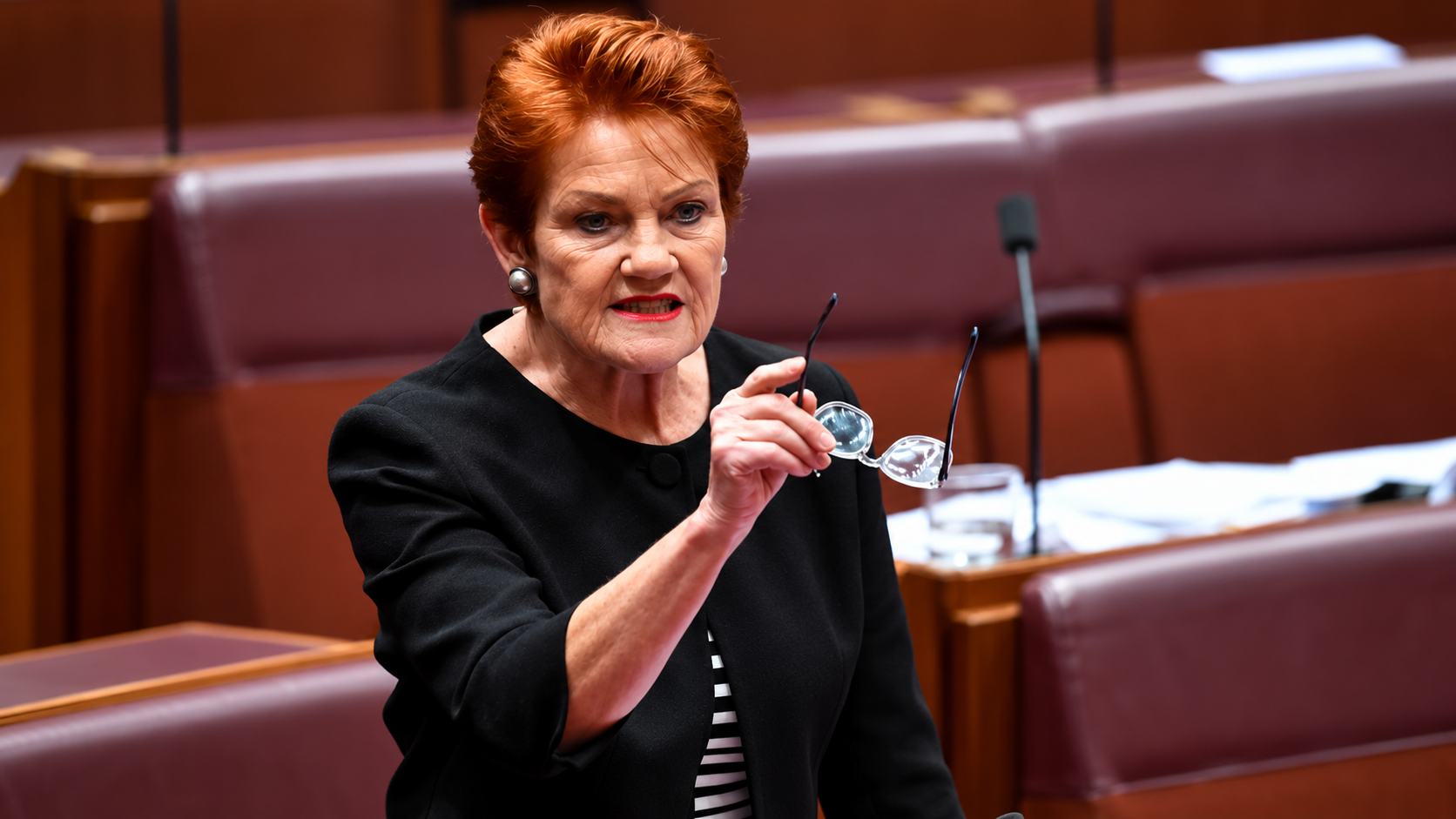
As parties sharpen their lines against One Nation and its leader, Pauline Hanson, a quieter argument is gaining ground among campaign strategists and local organisers in Victoria: name-calling may cost more votes than it wins.
The claim is not that criticism of One Nation is illegitimate. It is that swing voters — particularly those weighing household costs and public services — often respond differently to personal abuse than to clear explanations of policy trade-offs.
What voters say they are listening for
In that reading of the Victorian contest, soft voters are more likely to shift when they hear concrete stakes: funding and independence questions around the ABC and SBS, TAFE places, penalty rates and Medicare settings. Those issues map onto daily life. Personal insults do not.
Some organisers also warn that a share of voters who move toward minor parties will not advertise the choice. Public denial of support can sit alongside a quiet preference change at the ballot box, which makes outrage-driven messaging a poor guide to what is happening under the surface.
Outrage is not a strategy
Public anger at One Nation’s rhetoric can be a moral response. Campaign veterans argue it is still a weak substitute for persuasion. Shouting can mobilise an already committed base while leaving undecided voters colder — or more sympathetic to the target of the attack.
The alternative on offer is blunt: stop leading with smear and start showing the ledger. If a party says another’s agenda would cut services or shift costs onto households and jobs, it should show the mechanism — what changes, who pays, and on what timeline — rather than resting on character attacks alone.
Owning the policy fight
That approach puts the burden back on the major parties and their rivals alike. It asks them to treat Victoria’s soft vote as a contest over material outcomes, not a referendum on personalities.
Whether that advice is followed will show up in the tone of the next phase of campaigning. The choice, as framed by those urging restraint, is straightforward: policy or smear — which one?
Comments
0 approved
No approved comments yet. Be the first to weigh in.